In the heart of the Valley of the Kings, beneath the scorching Egyptian sun, a team of archaeologicalists meticulously sifted through the sands of history. It was November 4, 1922, and Howard Carter, a determined British archaeologist, was on the verge of an unprecedented discovery. Years of exhaustive searches and numerous dead ends had not dampened his resolve. That day, his persistence would finally be rewarded.
The Discovery
As Carter and his team dug deeper, a young boy stumbled upon a stone step. Excitement electrified the air as the team unearthed a staircase leading to a series of rooms inscribed with ancient hieroglyphs. Carter’s heart pounded as he carefully pried open the door, revealing a passageaway that remained untouched for over three millennia.
By the flickering light of a candle, Carter peered into the darkness, his eyes adjusting to the sight before him. “Can you see anything?” asked his partner, Lord Carnarvon, who had funded the excavation. Carter, barely able to contain his excitement, responded, “Yes, wonderful things!”
The Antechamber
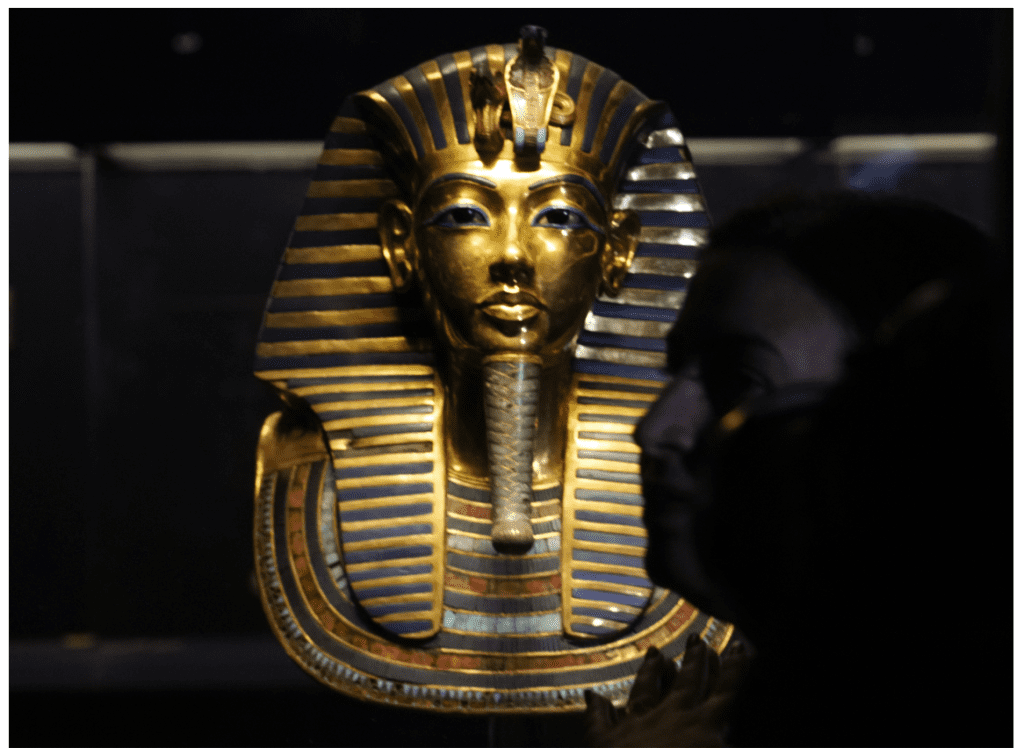
The antechamber was filled with a treasure trove of artifacts: chariots, statues, and a stunning array of gold and ebony items. Yet, this was only the beginning. Behind a second sealed door lay the burial chamber, the final resting place of Pharaoh Tutankhamun. It was here, in the midst of opulent funeral goods, that Carter would uncover the most iconic symbol of ancient Egypt—the golden mask of Tutankhamun.
The Golden Mask
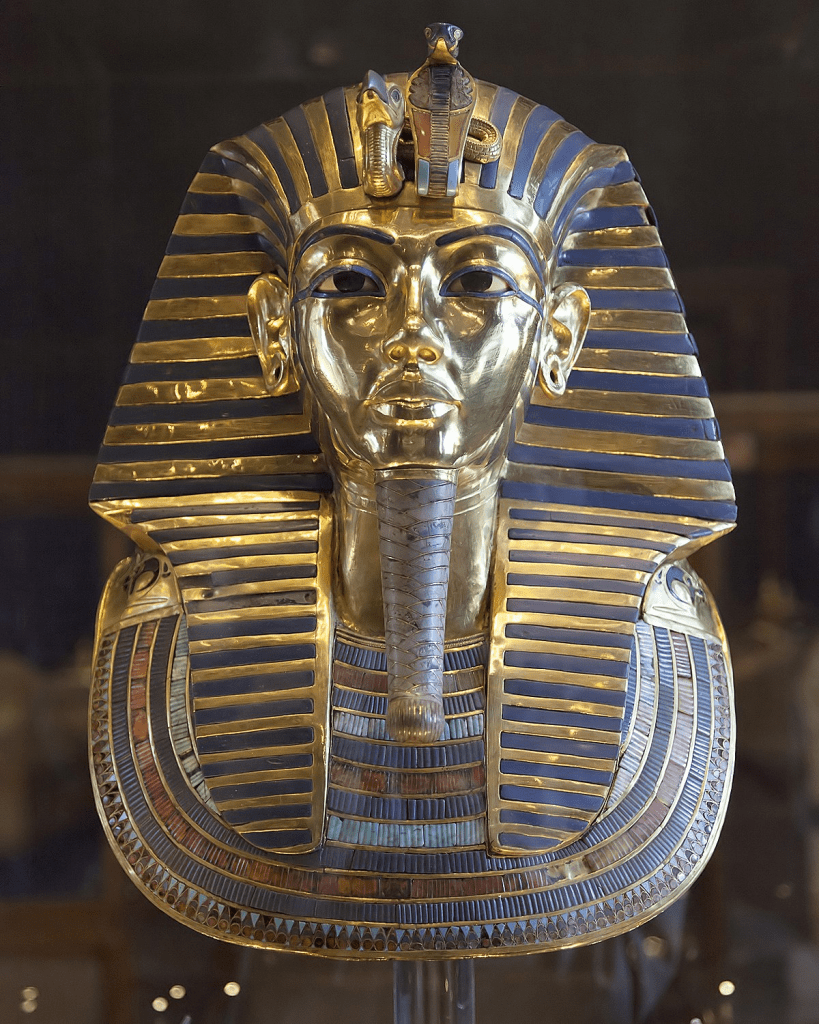
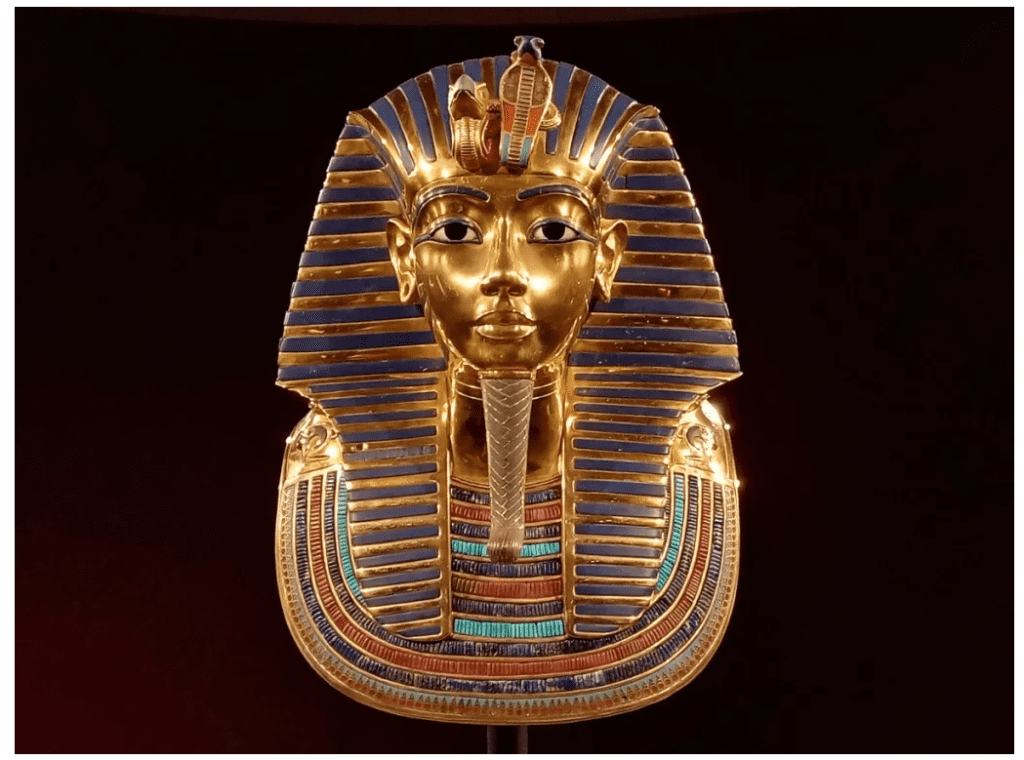
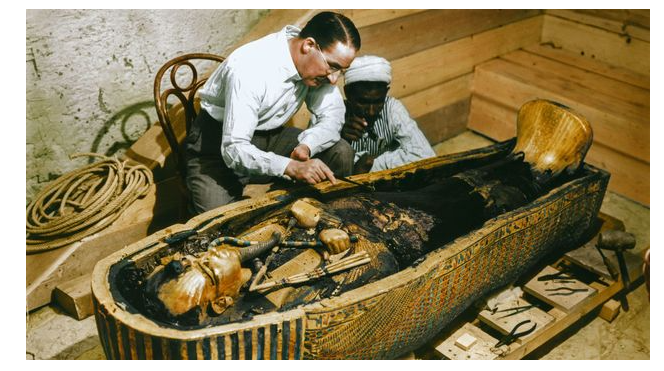
After months of careful excavation and documentation, the day arrived to open the sarcophagus. Inside lay the mummified remains of the boy king, his face covered by the resplendent golden mask. Crafted from over 20 pounds of solid gold and inlaid with precious stones, the mask was a masterpiece of ancient craftsmanship. Its serene visage, adorned with lapiz lazuli, quartz, and obsidian, radiated a timeless beauty.
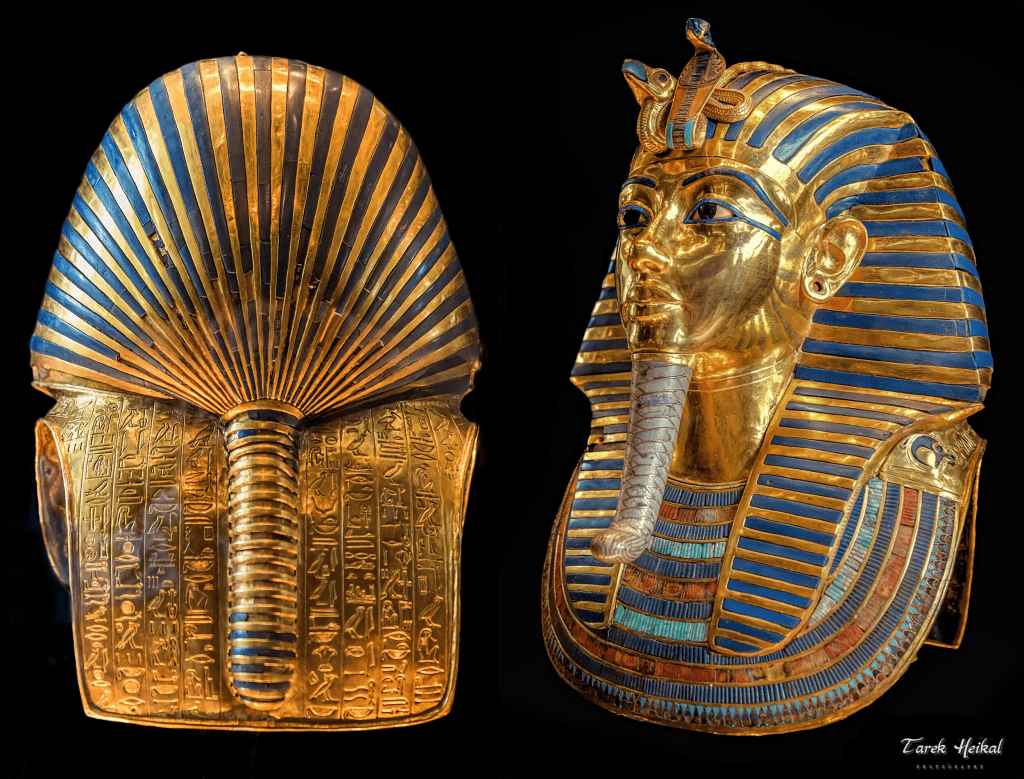
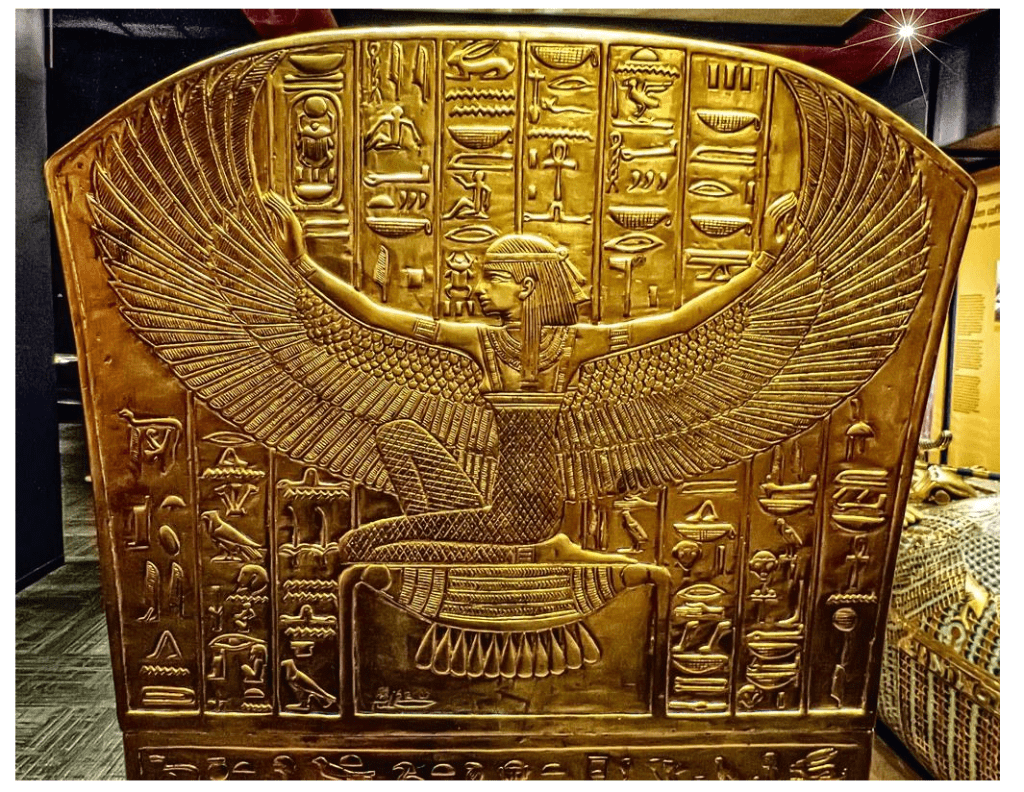
The mask was not just a representation of the young pharaoh’s features; it was a symbol of his divine status and a guide for his soul’s journey into the afterlife. Hieroglyphic inscriptions on the back of the mask contained a spell from the Book of the Dead, ensuring Tutankhamun’s safe passage through the underworld.
The Revelation
The discovery of the mask sent shockwaves throughout the world. Newspapers heralded it as the greatest archaeological find of all time, and Tutankhamun became a household name. The mask, with its exquisite detail and historical significance, captured the public imagination and fueled a renewed interest in ancient Egypt.
In the years following the discovery, the mask traveled the globe, displayed in museums from London to New York, drawing millions of visitors. It became a symbol of the rich cultural heritage of Egypt and the mysteries that still lay hidden beneath its sands.
Legacy and Preservation
The golden mask of Tutankhamun remains one of the most celebrated archaeological artifacts in history. It resides in the Egyptian Museum in Cairo, where it continues to inspire awe and admiration. The discovery underscored the importance of preserving our shared human heritage and the stories of civilizations long past.
Howard Carter’s find was more than a momentous archaeological achievement; it was a bridge to the ancient world, connecting modern humanity with the splendor of Egypt’s golden age. The mask, glittering with the brilliance of ages, serves as a reminder of the enduring legacy of the boy king and the civilization he ruled.
conclusion,
glittering splendor and magnificent craftsmanship embodied in the golden mask of Tutankhamun a timeless artifact that continues to “𝖿𝖺𝗌𝖼𝗂𝗇𝖺𝗍𝖾 𝖺𝗇𝖽 𝗂𝗇𝗌𝗉𝗂𝗋𝖾. 𝖨𝗍𝗌 𝗋𝖾𝗏𝖾𝗅𝖺𝗍𝗂𝗈𝗇 𝗍𝗈 𝗍𝗁𝖾 𝗐𝗈𝗋𝗅𝖽 𝗇𝗈𝗍 𝗈𝗇𝗅𝗒 𝗌𝗁𝖾𝖽 𝗅𝗂𝗀𝗁𝗍 𝗈𝗇 𝗍𝗁𝖾 𝗈𝗉𝗎𝗅𝖾𝗇𝖼𝖾 𝗈𝖿 𝖺𝗇𝖼𝗂𝖾𝗇𝗍 𝖤𝗀𝗒𝗉𝗍 𝖻𝗎𝗍 𝖺𝗅𝗌𝗈 𝗂𝗇𝗂𝗍𝗂𝖺𝗍𝖾𝖽 𝖺 𝗉𝖺𝗌𝗌𝗂𝗈𝗇 𝖿𝗈𝗋 𝖽𝗂𝗌𝖼𝗈𝗏𝖾𝗋𝗒 𝖺𝗇𝖽 𝗉𝗋𝖾𝗌𝖾𝗋𝗏𝖺𝗍𝗂𝗈𝗇 𝗍𝗁𝖺𝗍 𝖾𝗇𝖽𝗎𝗋𝖾𝗌 𝗍𝗈 𝗍𝗁𝗂𝗌 𝖽𝖺𝗒.”